Gender and Sex

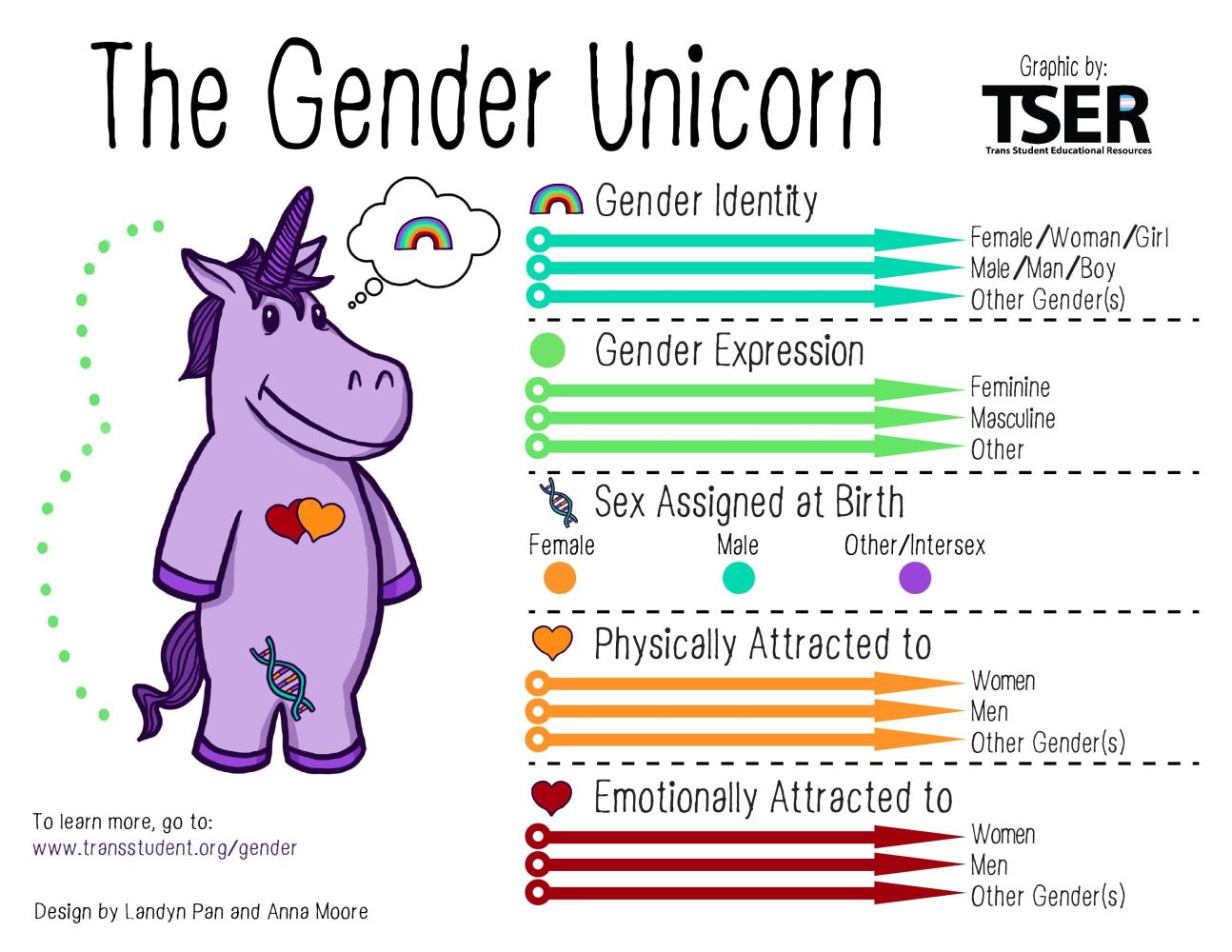
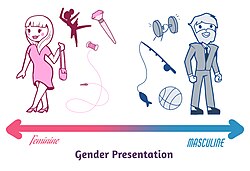
Sex is explained as biological traits and defined since people were born, while gender is how people define themselves based on the society’s concepts. Therefore, masculinity and femininity are not fixed, they are expectations shaped by the culture in different areas over time, people can have different ways to understand and express their ideas.

Gender, sex and sexuality

Articles Analysis

Jonathon analyzed in his article about how “boy culture” in North America appeared and enforced rigid emotional supervision and toughness. He argued that we need to recognize this phenomenon such that boys are able to express their emotions, vulnerabilities and mental issues safely. Similar to masculinity, “I Love My Body, But Hers Is Better” research article by Nicole et.al reported that most girls in college are facing the standard of feminine and beauty that they learn from social media. Many women assume that they are trying to stay healthy and love their bodies, but in the meantime, they compare themselves with others and be less confident. It reveals that although the internet brings the ideas approachable everywhere, it secretly globalizes and narrows the beauty requirements, and requires more effort just to stay pretty.

Barbie

The movie Barbie is a great example of how genders are established without the factor of biological sex. In Barbieland, all men with the same name Ken found struggle to realize their identities. When they first know about patriarchy, Kens immediately believe masculinity and power will make them valuable, even though they do not know who they are and feel uncomfortable to follow the rules of patriarchy. Meanwhile, all women named Barbie have to make sure they always look good with the ideal standards of bodies, clothes, energy and even thoughts, Barbies are not allowed to have negative thoughts. It is likely a pressure because they do not want to be odd, ugly or be called “Weird Barbie”. This movie successfully proves that both men and women are dealing with the ideal expectations from society to earn value in other people’s eyes, meaning that masculinity and femininity most of the time restrict human’s freedom of living truly themselves.

“Like, we have to always be extraordinary, but somehow we're always doing it wrong. You have to be thin, but not too thin. And you can never say you want to be thin. You have to say you want to be healthy, but also you have to be thin. You have to have money, but you can't ask for money because that's crass. You have to be a boss, but you can't be mean. You have to lead, but you can't squash other people's ideas. You're supposed to love being a mother but don't talk about your kids all the damn time. You have to be a career woman, but also always be looking out for other people. You have to answer for men's bad behavior, which is insane, but if you point that out, you're accused of complaining. You're supposed to stay pretty for men, but not so pretty that you tempt them too much or that you threaten other women because you're supposed to be a part of the sisterhood. But always stand out and always be grateful. But never forget that the system is rigged. So find a way to acknowledge that but also always be grateful. You have to never get old, never be rude, never show off, never be selfish, never fall down, never fail, never show fear, never get out of line. It's too hard! It's too contradictory and nobody gives you a medal or says thank you!” (Gloria, Barbie)

Personal Reflection

Masculinity basically is a social expectation that expects men to be strong, confident and tough emotionally and they can be considered as weak or gay if they show their vulnerabilities or their honest emotions. Because of these pressures, some men may focus more on fitting society's image of a "real man" than on expressing their true personality. The characters Kens in Barbie movie reflect this idea because they searched for meaning through traditional masculine traits instead of developing their own sense of identity.

These readings and Barbie movie also led to reflection on femininity and how women are often expected to follow narrow standards of beauty and success. Despite the benefits of feminism that women have more rights and opportunities, it also brought a lot more pressures to women around the world when they still have to be good at “feminine works” in the house as well as career paths to be successful. Women are often expected to be attractive, successful, independent, caring, and grateful, even when these expectations contradict one another. These analyzes reinforce this idea by showing that many women still compare themselves to others and feel pressure to meet social standards of femininity.

Together, these sources suggest that both masculinity and femininity are shaped by culture, media, and social expectations. The more globalization grows, the narrower definitions of what men and women should be like are. This results in the fact that many people nowadays are giving effort to meet the expectations of genders instead of discovering themselves. Therefore, this website argues that gender is socially constructed and that all of us should have the freedom to define ourselves beyond traditional gender roles.

Conclusion

In conclusion, all the sources prove that masculinity and femininity are not fixed by biological rules, they are standards that people learn from society. Men might feel pressure in acting strong, unvulnerable both physically and emotionally, when women might be unconfident about themselves when they pursue the ideal of a successful woman. True gender equality should be focusing on people themselves, respecting their own identity and respecting other’s identities regardless sex or gender.

Citation